home staging -
what is it and is it worth it?
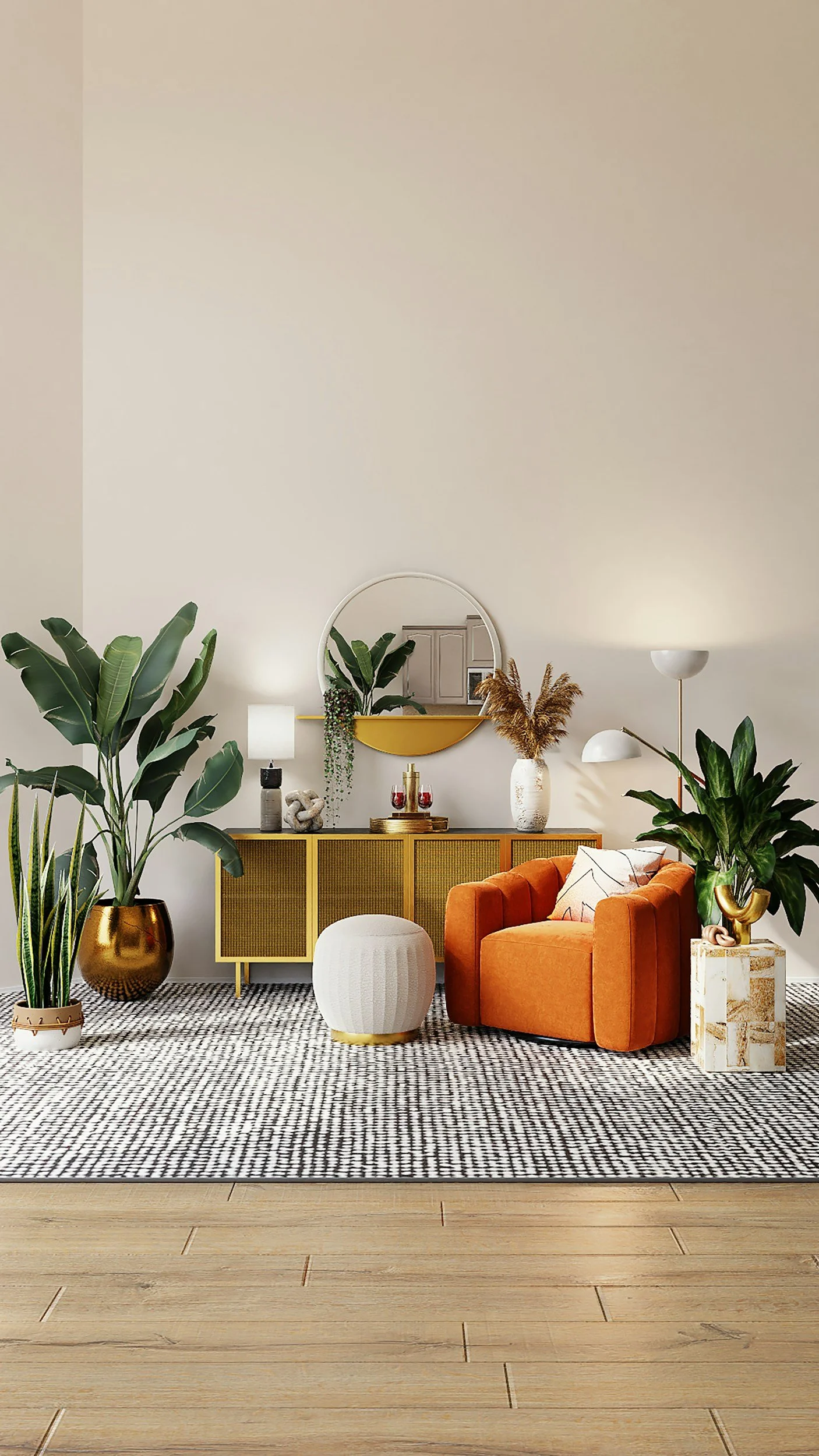
Home staging is a professional process of preparing a property for sale or rent, designed to highlight its potential and make it more appealing to prospective buyers or tenants.
The process of home staging often includes small adjustments such as repainting walls, optimizing lighting, decluttering excess furniture or decorations, and adding neutral, aesthetically pleasing elements to the interior design.
It involves arranging interiors in a way that sparks interest, enhances the perceived value of the property, and accelerates the transaction.
Home staging is an investment that pays off multiple times over. Professionally staged properties not only sell faster but also achieve higher prices.
The Origins of Home Staging
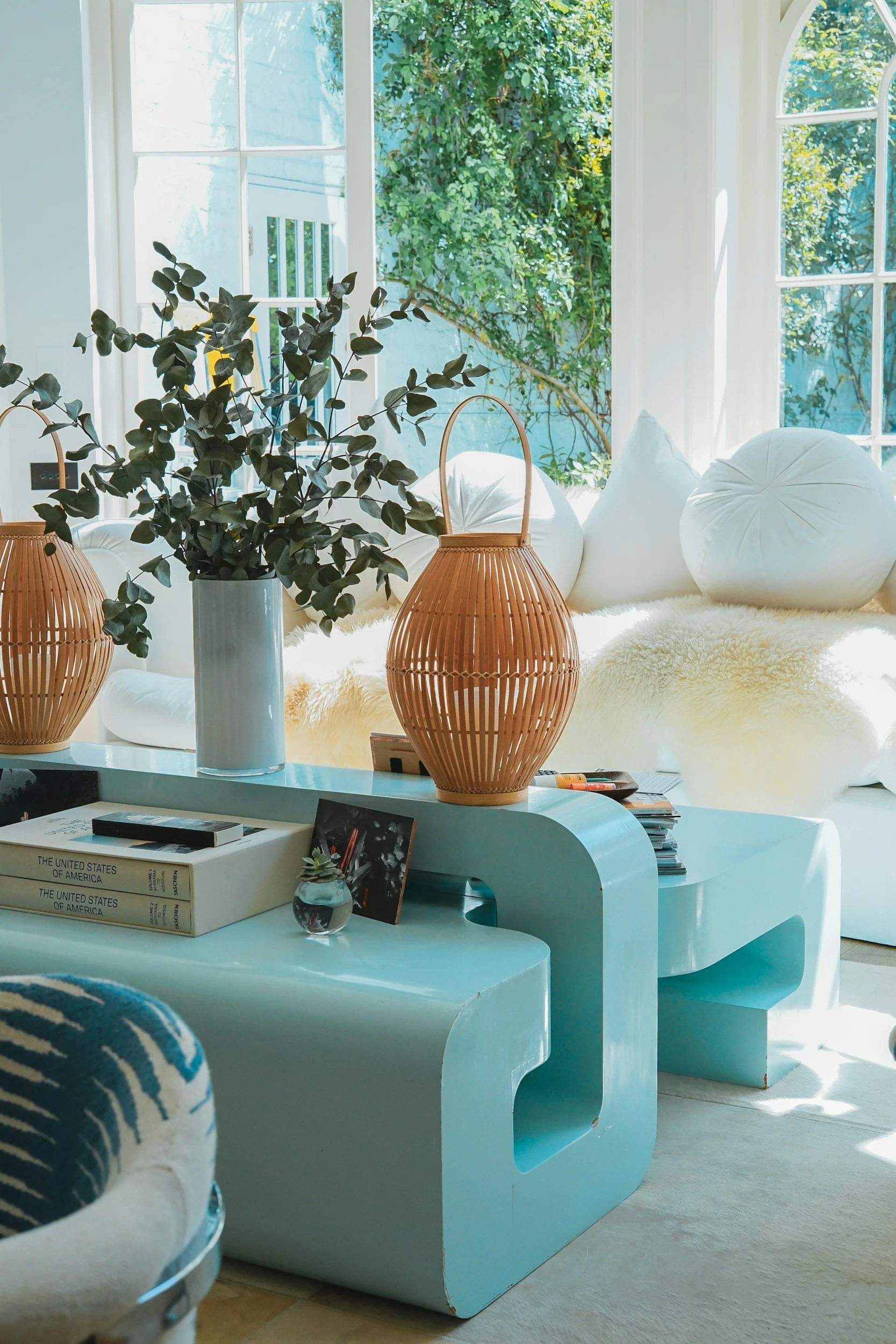
Home staging originated in the United States in the 1970s. The pioneer of this approach was Barbara Schwarz – a real estate agent and theater set designer. By combining her expertise in both fields, she developed an innovative method of marketing properties. Schwarz observed that properly arranged interiors – much like a stage set – make a property more visually and emotionally attractive.
Over time, home staging gained popularity worldwide, eventually reaching Europe as well.
Why use home staging?
Shorter sale or rental time
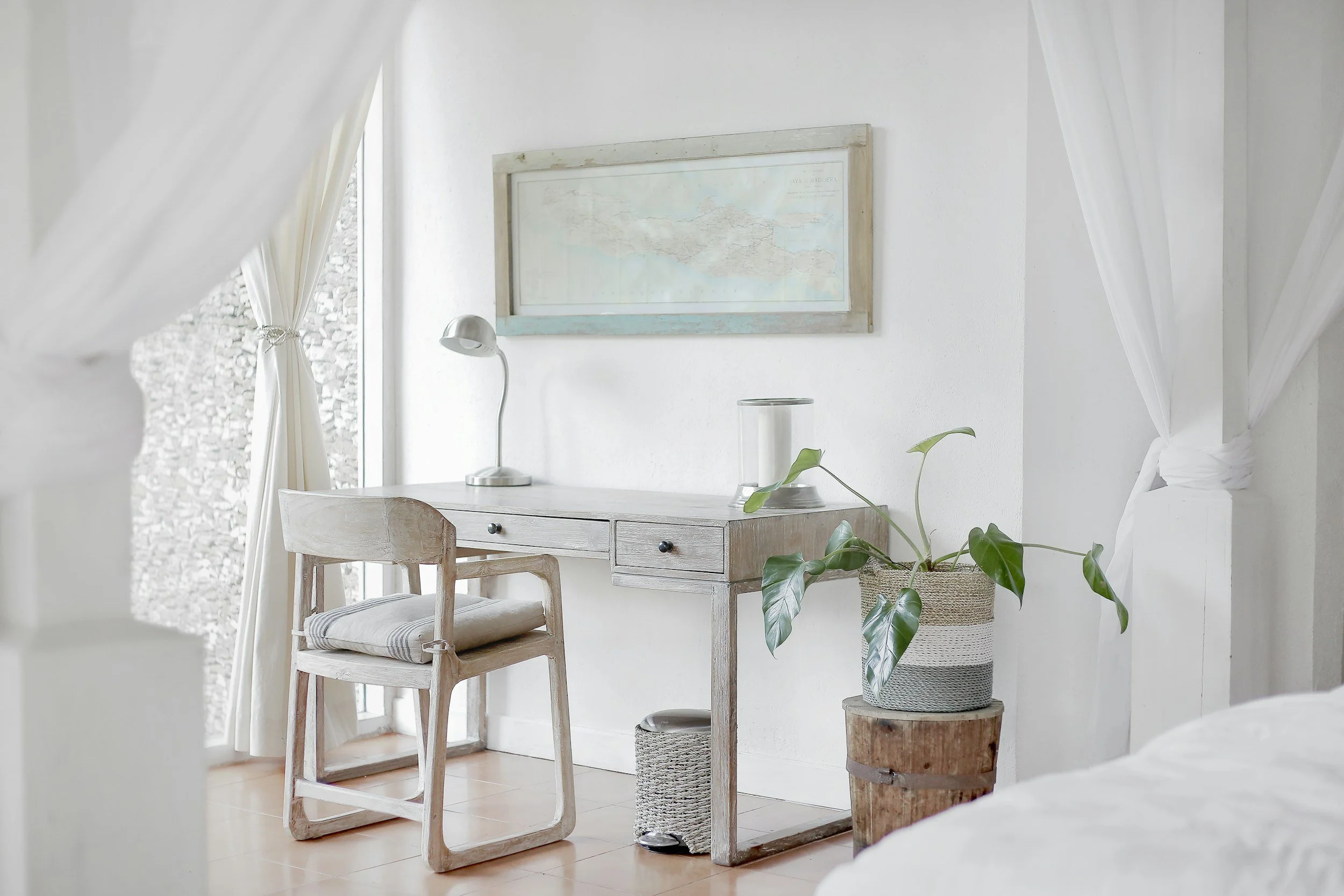
Properties that are well prepared for presentation tend to sell or rent much faster. Attractive and functional interiors leave a lasting impression and evoke positive emotions.
Increased property value
Small improvements, such as a fresh coat of paint, better lighting, or carefully chosen furniture, can significantly enhance a property’s perceived value. Potential buyers are willing to pay more for a home that creates a good impression.
Strong first impression
First impressions are crucial – potential buyers decide whether they are interested in a property within just a few seconds. Professionally prepared interiors increase the chances of positive emotions and interest in the offer.
Universal appeal
Home staging relies on neutral and universal solutions that appeal to a wide audience. This makes it easier for buyers to imagine their own lives in the space.
Good to know
Statistics Speak for Themselves
According to reports by the National Association of Realtors (NAR) in the USA, homes that undergo home staging sell 3–5 times faster on average than those that are not staged. Additionally, the value of a property can increase by as much as 10–15% thanks to proper staging.
First impression takes just 7 seconds
Research shows that buyers decide whether they are interested in a property within just a few seconds of stepping inside. That’s why it’s crucial to ensure not only the interior looks good but also the exterior, garden, and entrance.
Not just for luxury properties
While home staging was initially associated with expensive residences, it is now widely used for rental apartments, mid-range homes, and even small studio flats.
The “instagram-worthy interior” effect
Modern home staging increasingly focuses on creating interiors that look great in photos. This makes listings stand out on online platforms, where potential buyers or renters often make their initial selection.
Home staging doesn’t have to be expensive
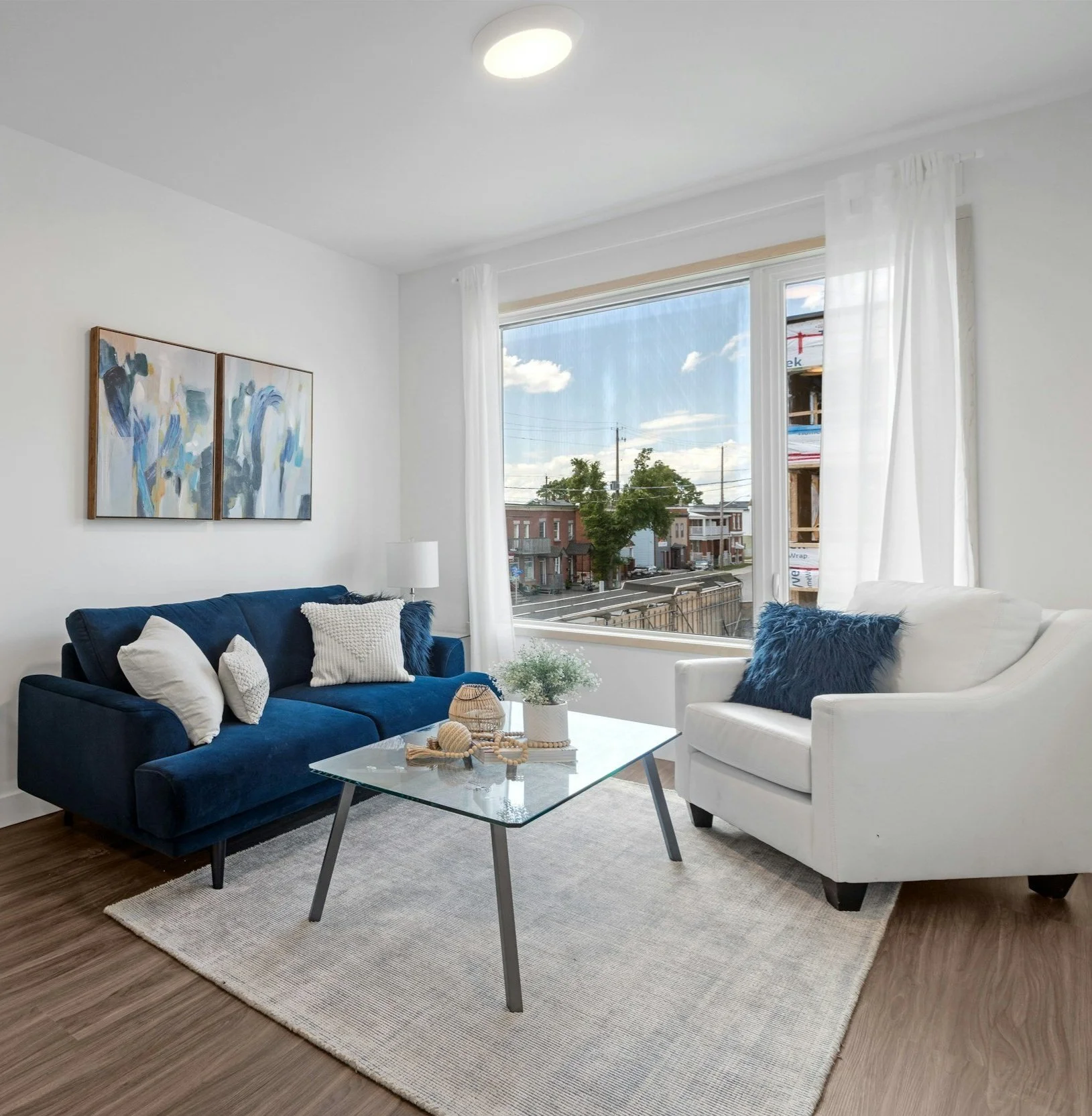
Contrary to popular belief, home staging doesn’t require a huge budget. In many cases, small changes, such as repainting walls in neutral tones, adding plants, or replacing decorative pillows, can significantly enhance a property’s appeal.
Homes staging is also “scent marketing”
Professional home stagers focus not only on visual aesthetics but also on scent. A warm aroma of freshly baked cookies, coffee, or soft-scented candles can create a sense of coziness and “homey” warmth.
Not just for sales – but also short-term rentals
Home staging has become increasingly popular in the short-term rental industry, especially on platforms like Airbnb. Stylish and functional interiors attract guests who are more likely to book “Instagrammable” spaces.
Every room matters
While kitchens and living rooms are often the most important for buyers, home staging involves every room. Even garages or basements can gain value with proper organization and lighting.
The psychological effect of a “ready-to-move-in product”
Buyers are more likely to choose properties that appear “move-in ready.” Empty or neglected interiors require imagination and effort, which often works against the seller.